- Fashion & Leather Goods
- Real Estate & Design
- Retail
- Cars, Jets & Yachts
- Marketing
- Art
- Travel & Hospitality
- Watches & Jewelry
- Beauty
- Wines & Spirits
- Research
- Columns
- More
- Events
-
Most Read
- Creativity, exclusivity and authenticity trump influencer involvement, sustainability in luxury brand collabs for affluent: report
- Resale becoming the first choice for US shoppers as luxury retail evolves: report
- 1 week left to meet the top players in luxury commercial real estate

- What are the most sought-after amenities, comforts and features desired in luxury homes heading into 2024?
- Bentley ups ultra-luxury car rivalry with announcement of new mystery Torcal model line
- Louis Vuitton strengthens green cred with Regeneration 2030 roadmap
- British buyers drive Greek luxury property demand as wealth relocation from UK amps up
- State of Luxury 2026 report: Luxury enters new era – slower, more selective, less forgiving
- How sneaker raffles spell out the bot problem for retailers
- Namibia on track to have 10,000 millionaires by 2040
-
Latest Headlines
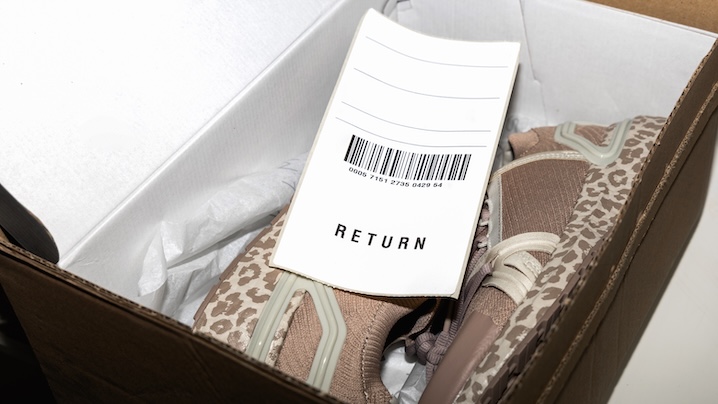
- Questionable returns behavior becoming increasingly commonplace among US shoppers: report
- Creativity, exclusivity and authenticity trump influencer involvement, sustainability in luxury brand collabs for affluent: report
- How corporate boards and executives govern the rise of AI: report
-
1 week left to meet the top players in luxury commercial real estate

- Report: Where to live in Switzerland?
- As regulation raises fashion circularity baseline, focus shifts from compliance to operating advantage: report
- Why simply speed in luxury is not the answer
-
The real creator of desire in luxury
- Abu Dhabi luxury real estate market shrugs off Middle East conflict to post record growth
- Is the fragrance industry’s center of gravity shifting from Paris to UAE?